
Exploring the psychology of high-stakes gambling in casinos
Avslöja hemligheterna bakom att vinna på casinospel Strategier du behöver känna till
mars 1, 2026Unveiling the secrets of successful casino strategies
mars 1, 2026The Thrill of Risk: Why People Gamble
The allure of high-stakes gambling often stems from the inherent thrill associated with risk-taking. For many individuals, the possibility of winning significant sums of money can trigger a rush of excitement that is difficult to replicate in everyday life. This adrenaline surge can lead to a heightened state of arousal that compels players to engage further, often ignoring the potential consequences of their actions. The psychological draw of this thrill is both fascinating and complex, intertwining emotion and cognition in ways that can lead to both engaging entertainment and troublesome addiction. Additionally, many players turn to gambling websites to enhance their gambling experience from the comfort of their homes.
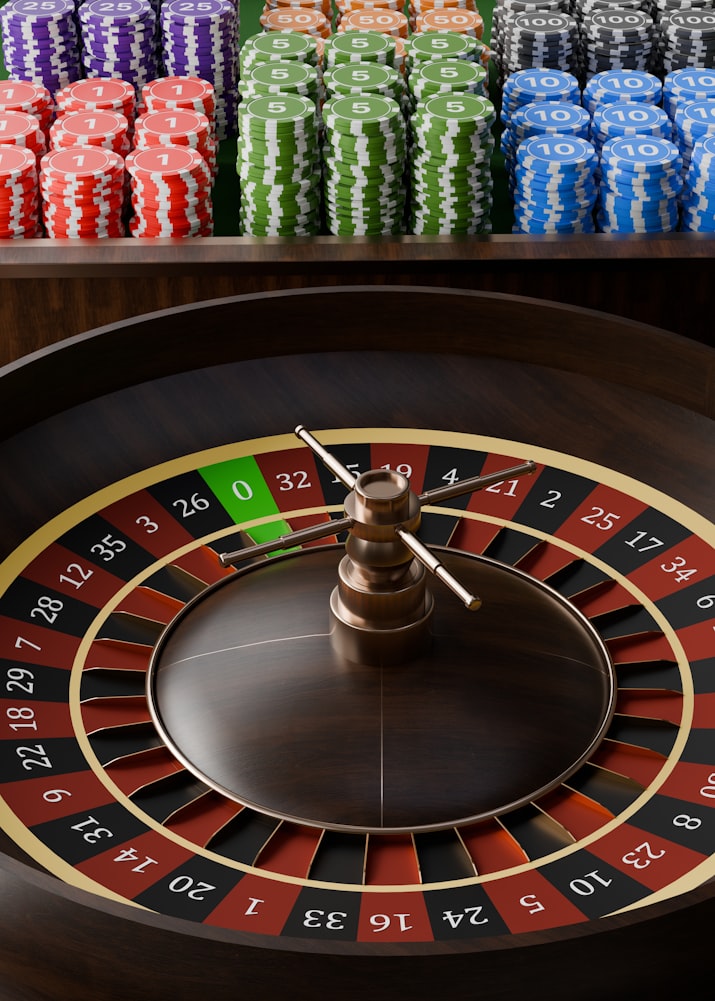
Moreover, the social environment of casinos amplifies this psychological phenomenon. Players often find themselves in a vibrant atmosphere filled with lights, sounds, and interactions that create a sense of belonging and excitement. This sociocultural dimension can enhance their willingness to take risks, as they feed off the energy of fellow gamblers and the ambiance that surrounds them. The combination of individual psychological motivations and communal influences creates a unique environment that encourages high-stakes gambling.
The Role of Cognitive Biases in Gambling
Cognitive biases play a significant role in shaping a gambler’s experience, often leading to irrational decision-making. One of the most prominent biases is the « gambler’s fallacy, » where individuals believe that past events will influence future outcomes. For instance, a player might assume that a slot machine that hasn’t paid out recently is « due » for a win. This distorted perception of probability can lead to increased bets and a deeper commitment to losses, perpetuating a cycle of gambling that is hard to escape.
Additionally, the illusion of control is another psychological bias that affects gamblers. Many players believe they can influence the outcome of their bets through skill or strategy, particularly in games like poker or blackjack. This belief can cause them to engage more heavily in gambling activities, as they feel empowered despite the randomness involved in many casino games. Understanding these cognitive biases is crucial for both gamblers and those seeking to help them navigate their gambling behaviors.
The Emotional Rollercoaster of Winning and Losing
The emotional experiences associated with high-stakes gambling can be intense and varied, oscillating between euphoria and despair. Winning can produce significant feelings of joy and validation, reinforcing gambling behavior and the desire for more. This pleasurable reaction is often chemically influenced, as the brain releases dopamine, creating a rewarding sensation that players seek to replicate.
Conversely, the experience of losing can be devastating, leading to feelings of regret, anxiety, and even depression. This emotional turbulence can push gamblers into a pattern of chasing losses, where the desire to regain lost money fuels further risky behavior. Recognizing the profound emotional stakes involved can help individuals understand their gambling habits and the impact these highs and lows have on their lives.
Understanding Addiction: The Path to Compulsive Gambling
For some individuals, the thrill of high-stakes gambling can transition into addiction, characterized by an inability to control the urge to gamble despite negative consequences. This compulsive behavior is often linked to underlying psychological issues, such as anxiety or depression, which can be exacerbated by the escapism that gambling provides. As they chase the highs of past victories, many gamblers become entrenched in a cycle that is difficult to break.
Recognizing the signs of gambling addiction is crucial for early intervention. Behaviors such as lying about gambling habits, borrowing money to gamble, and neglecting responsibilities can indicate a developing problem. Education and awareness about the psychological elements of gambling addiction can facilitate conversations about support and recovery, allowing individuals to seek help when needed.

Enhancing User Experience Through Awareness
Understanding the psychology of high-stakes gambling provides valuable insights not only for gamblers but also for the broader community. Increased awareness of the emotional and cognitive processes at play can foster a more informed approach to gambling and its potential risks. In turn, this knowledge can empower individuals to make responsible choices while enjoying the entertainment aspects of casinos.
As this website aims to deliver essential content on this topic, it focuses on strengthening user experience while promoting awareness and safety in the gambling arena. By engaging with this material, visitors can glean insights that enhance their understanding of high-stakes gambling, preparing them for informed decisions and healthier gambling habits.
